Professional Auto Repair in Reading PA: Local Auto Repair Services
Modern Car Repair Technologies You Should Be Familiar With
Auto repair is experiencing substantial transformation. Tech innovations are changing the methods mechanics use to diagnose and repair automobiles. Sophisticated equipment and methods offer improved precision and effectiveness. This evolution raises questions about the future of traditional repair methods. Which critical breakthroughs are pushing this transformation? Grasping these contemporary innovations might reshape how one handles car care.
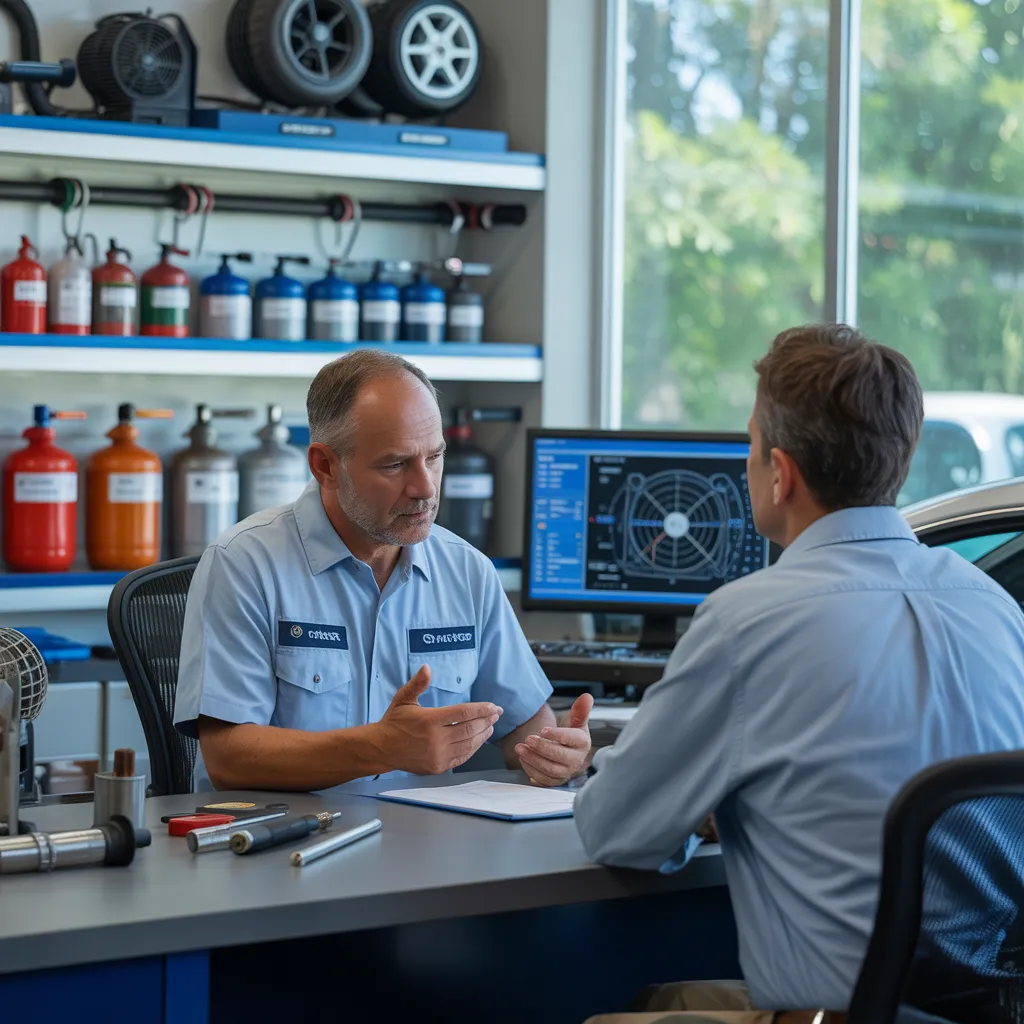
Grasping Contemporary Automotive Repair Solutions
As automobiles have advanced, so too have the technologies used in auto repair, resulting in substantial enhancements in both efficiency and precision. Contemporary auto repair technologies include a variety of advanced tools and systems designed to streamline the repair process. Electronic diagnostic systems play an essential role, permitting technicians to swiftly identify issues by linking directly with a vehicle's onboard computer. Additionally, the integration of 3D printing technology has allowed for the capacity to manufacture custom parts on demand, minimizing wait times and costs linked to traditional part sourcing.
Additionally, the use of robotic systems, such as robotic arms, has increased precision in tasks like bodywork and painting. Digital service records have also changed how maintenance histories are recorded, ensuring transparency for both technicians and vehicle owners. In general, modern auto repair technologies not only boost repair quality but also facilitate a more efficient workflow, ultimately helping both service providers and customers alike.
The Emergence of Advanced Diagnostic Tools
As modern vehicles become increasingly complex, advanced diagnostic tools have become indispensable in the auto repair industry. This equipment leverages cutting-edge software and hardware technologies to accurately assess vehicle health, pinpoint issues, and enhance the repair operation. Traditional methods of troubleshooting have primarily been supplanted by these innovations, which can interface directly with a vehicle's onboard computer systems.
Of the most significant advancements are OBD-II scanners, which offer real-time data and error codes, enabling technicians to pinpoint see guide problems swiftly. Additionally, tools such as oscilloscopes and multimeters boost diagnostic precision, facilitating in-depth analysis of electrical systems. The integration of artificial intelligence and machine learning is also beginning to revolutionize diagnostics, helping predict potential failures before they occur. As vehicles continue to evolve, the need for these advanced diagnostic tools will only expand, guaranteeing that technicians can maintain peak performance and safety for drivers.
Benefits of 3D Printing in Auto Parts Replacement
Commonly, 3D printing surfaces as a innovative solution in the field of auto parts replacement. This technology permits the swift production of personalized components, minimizing wait times and costs associated with traditional manufacturing methods. By utilizing 3D printing, automotive repair shops can produce parts on-demand, cutting inventory storage and corresponding overhead expenses.
Furthermore, the capability to create intricate designs permits the reproduction of complex components that may no longer be available in the market. This capability becomes particularly advantageous for vintage or discontinued vehicles, ensuring they can remain operational.
Moreover, 3D printing fosters sustainability by lowering material waste, as parts are produced layer by layer. This process commonly uses recyclable materials, adhering to modern environmental standards. In summary, the integration of 3D printing into auto parts replacement delivers enhanced efficiency, cost-effectiveness, and sustainability in the automotive repair industry.
The Role of IoT in Vehicle Maintenance
The incorporation of advanced technologies such as 3D printing in vehicle parts replacement has opened doors to advanced innovations in vehicle maintenance, especially through the Internet of Things (IoT). IoT enables vehicles to capture and relay real-time data about their performance, facilitating anticipatory maintenance. Sensors installed within vehicles monitor essential systems, alerting drivers and mechanics to potential issues prior to escalation. This predictive maintenance approach decreases downtime and lowers repair costs, improving overall vehicle reliability.
In addition, IoT links vehicles to maintenance service providers, permitting seamless scheduling of repairs and part replacements. This connectivity streamlines the maintenance process, guaranteeing that necessary services are completed efficiently. Additionally, the data accumulated can be analyzed to identify trends and improve service practices, ultimately driving enhanced vehicle longevity. As IoT technology continues to progress, its effect on vehicle maintenance is expected to intensify, driving further innovations in the automotive industry.
How AR Is Revolutionizing Auto Repair Training
How does augmented reality (AR) enhance the learning experience for auto repair technicians? AR technology provides immersive training solutions that connect the gap between theoretical knowledge and practical application. By overlaying digital information onto physical components, technicians can visualize complex systems in real time. This interactive approach permits learners to engage deeply with the material, boosting retention and understanding.
Through AR, trainees can obtain comprehensive instructions and troubleshooting guides, reducing errors during hands-on practice. Furthermore, AR simulations can replicate various scenarios, enabling technicians to experience varied challenges without the risks associated with real-life repairs.
As a result, the integration of AR in auto repair training not only hastens skill acquisition but also encourages confidence in newly learned techniques. All in all, augmented reality is transforming the educational landscape for auto repair technicians, readying them more effectively for the evolving demands of the automotive industry.
Frequently Asked Questions
What Costs Come With Modern Auto Repair Technologies?
The expenses related to modern auto repair technologies include purchasing equipment, software subscriptions, technician training, maintenance expenses, and potential downtime. These factors can substantially impact general repair budgets, ranging significantly based on the technology implemented.
How Do I Choose the Right Auto Repair Shop Featuring Advanced Technological Solutions?
To select the right auto repair shop with advanced technologies, one should examine customer reviews, assess certifications, ask about tools used, assess warranties available, and visit the facility to assess professionalism and cleanliness.
Do New Repair Technologies Support Older Vehicles?
Mature vehicles might not wholly benefit from contemporary repair technologies owing to differences in parts and systems. Nonetheless, some cutting-edge tools have the ability to boost repair and diagnostic processes, enabling them to be compatible to some extent to work with older vehicles.
What Abilities Are Needed to Work With Modern Auto Repair Technologies?
To operate with modern auto repair technologies, individuals require skills in diagnostic procedures, computer software competency, electrical systems expertise, technical problem-solving capabilities, familiarity with advanced tools, and continuous learning to stay current with advancing automotive innovations.
How Can I Stay Updated on Emerging Auto Repair Technologies?
To maintain awareness of emerging auto repair technologies, you should regularly read industry publications, attend seminars, participate in web-based discussions, and follow relevant social media channels to gather information and expertise about developments in the field.